10 Tips to Succeed as a Dispatch Professional
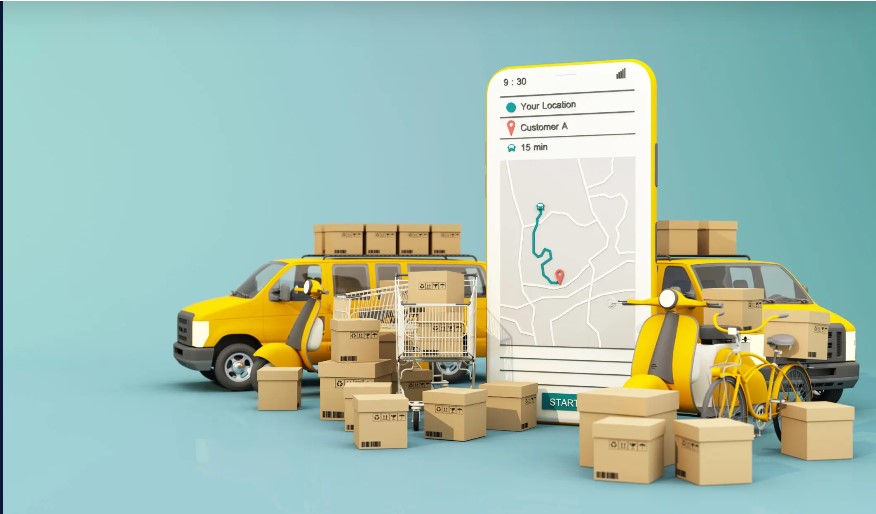
In logistics, people often confuse the roles of dispatchers and logistics coordinators. While the two work closely together, their focus areas are different.
- Dispatcher: Primarily manages day-to-day trucking operations. They assign loads, track drivers, confirm pickup and delivery, handle unexpected issues (like delays, breakdowns, or missed appointments), and keep communication flowing between drivers, customers, and carriers.
- Logistics Coordinator: Works more broadly on the supply chain side—handling planning, compliance, documentation, international shipping rules, customs clearance, and making sure goods flow efficiently across modes (air, sea, truck, rail).
Think of it this way: A dispatcher keeps the trucks moving on time. While a logistics coordinator makes sure the whole chain—from factory to warehouse to customer—runs smoothly. Both roles are critical, but dispatching is often the frontline pressure role where seconds matter.
If you’re a dispatcher, here are 10 tips to succeed in the role (with real-world relatable examples).
1. Master Communication Skills
Clear communication is the heart of dispatching. Drivers rely on you for instructions, and customers count on you for updates.
- Example: Instead of saying “Go to the yard”, say “Go to ABC Yard, Dock 3, ask for Mike, call me when you arrive.” Precision avoids confusion.
2. Double-Check Shipment Readiness
Never assume the load is ready just because the paperwork says so. Call the pickup site.
- Example: A driver arrives at a dealership to pick up a car only to find it’s still in Post-Sale Inspection. A 2-minute confirmation call could save a $150 dry run fee.
3. Build Strong Relationships with Drivers

Drivers are your frontline partners. When they trust you, they’ll go the extra mile.
- Example: A dispatcher who regularly checks in on drivers’ well-being (“Did you get a meal break?”) often gets faster callbacks and smoother cooperation.
4. Stay Calm Under Pressure
In dispatch, something will always go wrong—traffic jams, weather, or last-minute cancellations. Panicking won’t fix it.
- Example: A driver stuck at the border with missing paperwork. Instead of blaming, a good dispatcher quickly calls the broker, resends documents, and keeps the customer updated.
5. Know Your Geography and Routes
Dispatchers must know the highways, tolls, and border points. Technology helps, but basic knowledge goes a long way.
- Example: Sending a truck through a low-clearance bridge can damage equipment. Knowing alternate routes prevents expensive mistakes.
6. Keep Customers Updated
Silence creates frustration. Proactive updates build trust.
- Example: Instead of waiting for the customer to ask, say: “Hi, just letting you know the truck is 30 minutes behind due to traffic, but ETA is still before 3 PM.”
7. Use Technology Wisely
From GPS tracking to dispatch software, technology saves time. But human judgment still matters.
- Example: A tracking app shows a truck at a rest stop. Instead of panicking, the dispatcher calls the driver—turns out it’s a mandatory rest break. Context matters.
8. Learn to Prioritize
Not every call is urgent. Dispatchers succeed by focusing on what truly matters first.
- Example: A truck with live cargo stuck on the road is more urgent than a customer asking for a proof of delivery document.
9. Document Everything
In disputes, records protect you. Keep notes of conversations, times, and decisions.
- Example: A driver says they were never told about a 6 PM cutoff. Your email record showing the instruction saves your company from a penalty.
10. Keep Learning the Bigger Picture
Even though dispatching focuses on trucks, learning about customs rules, warehousing, and trade compliance makes you stand out.
- Example: A dispatcher who understands how ACE eManifest works at the U.S. border can solve problems faster than one who only focuses on load assignments.
Final Thoughts
Being a dispatcher is demanding but also rewarding. You’re the bridge between drivers, customers, and the company. By mastering communication, staying calm under pressure, and always double-checking details, you’ll not only succeed—you’ll stand out.
Want more real-world insights on logistics, dispatching, and global trade? Check out my podcast and articles at Tales of Logistics.