Cracking the Code: How the HS Code Impacts Automobile Importation into Canada
When you're importing a car into Canada—whether it's a luxury sedan from Germany, a truck from the U.S., or an electric vehicle from Japan—there’s one critical number that decides it all: The Harmonized System (HS) Code.
It’s more than just digits.
It’s the code that unlocks your shipment—or stalls it at the border.
So, what exactly is the HS Code?
The HS Code (Harmonized System Code) is a standardized 6-digit global code used to classify traded goods. Think of it as the universal language for customs and international trade.
But Canada doesn’t stop there.
Canada extends the code to 10 digits under the Canadian Customs Tariff to allow for precise classification, taxation, and regulatory checks.
Real Example:
Let’s say you're importing a mid-size gasoline-powered passenger vehicle.
A typical HS Code might look like this:
8703.23.00.90
➡️ 8703.23 – Standard global classification: Passenger vehicles with spark-ignition engine
➡️ 00.90 – Canada-specific sub-category for taxation and regulation
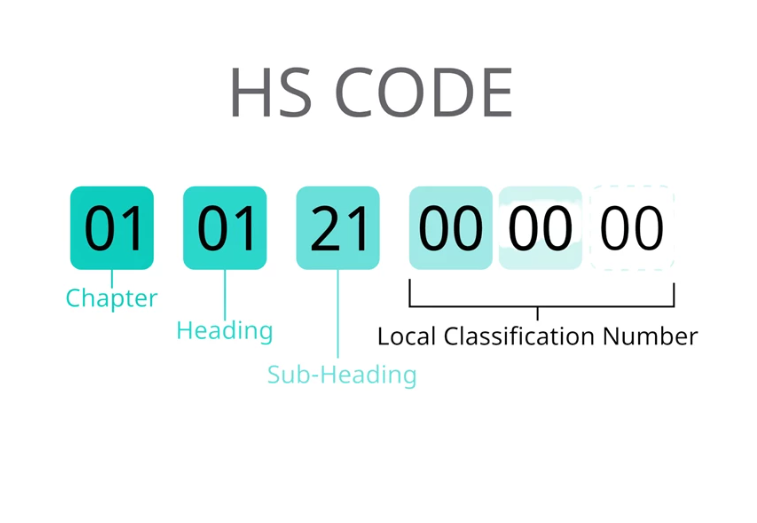
One wrong digit, and you might be flagged for misclassification.
That means delays, audits, penalties—or even denied entry.
Why HS Code Matters in Vehicle Importation to Canada
Let’s break it down into three major reasons every importer, customs broker, and logistics coordinator should take HS codes seriously:
1️⃣ Duties, Taxes, and Green Fees
Your HS code determines:
- Customs duties (if applicable)
- Excise tax
- GST (Goods and Services Tax)
- Air Conditioning Excise Tax
- Green Levy on fuel-inefficient vehicles
For example, a gas-guzzling SUV might attract additional environmental levies, depending on its classification.
2️⃣ Regulatory Compliance & Border Clearance
Using the correct HS code ensures the vehicle complies with all applicable regulations:
- Transport Canada: Vehicle safety, bumper and emission standards
- Canada Border Services Agency (CBSA): Import declaration and documentation
- Environment and Climate Change Canada (ECCC): For vehicles from outside NAFTA/USMCA zones
- Registrar of Imported Vehicles (RIV): For compliance modifications and registration
Misclassify a non-compliant model? You risk seizure, rejection, or costly compliance upgrades.
3️⃣ Trade Agreements & Preferential Tariffs
Under trade deals like:
- USMCA (U.S.-Mexico-Canada Agreement)
- CETA (Comprehensive Economic and Trade Agreement with the EU)
- CPTPP, etc.
Vehicles that meet the Rules of Origin may qualify for duty-free entry—but only if the correct HS code and documentation are submitted.
What Happens If You Use the Wrong HS Code?
Unfortunately, the penalties aren’t just clerical:
- Delays at the border
- CBSA audits
- Administrative Monetary Penalties (AMPs)
- Loss of duty-free status
- Potential seizure or return of the vehicle
In high-volume cross-border vehicle logistics, even one misstep can disrupt the entire supply chain.
✅ Key Takeaway:
As a logistics coordinator, customs broker, or vehicle importer, the HS Code isn’t just a box to fill—it’s a compliance trigger and cost driver.
Always:
- Double-check the vehicle specs (engine type, fuel source, weight class)
- Match with the correct HS code
- Consult CBSA’s Customs Tariff or a licensed broker when in doubt
Precision here saves you time, money, and reputation.
🎙️ And if you want to hear more real-world logistics insights, subscribe to the Tales of Logistics Podcast