EVs in the Last Mile: Between Promise and Practicality for SMEs
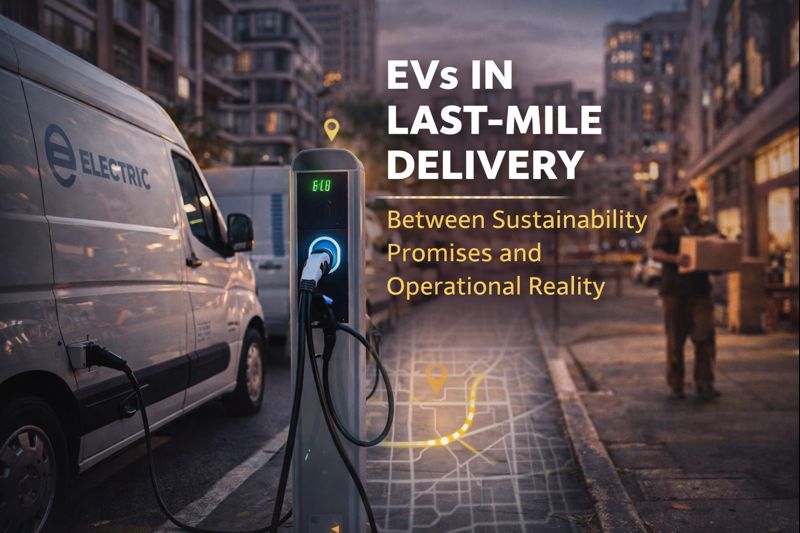
There is this wave of conceptual acceptance that Electric Vehicles are no longer a future conversation in logistics, but are a present-day experiment — especially for SMEs in e-commerce, courier services, and last-mile delivery.
On paper, the case looks compelling: lower fuel costs, reduced maintenance, access to low-emission zones, government incentives in some countries, and a sustainability story customers increasingly care about. But in real operations, the transition is far more complex. For large fleets, electrification is a capital strategy. For SMEs, it is a survival decision. And survival in last-mile logistics is built on reliability, asset utilization, and margin discipline.
The EV Promise
There is no doubt that EVs offer genuine advantages for urban delivery:
Lower cost per kilometer over time
- Fewer mechanical failures
- Quiet, emission-free operation in dense cities
- Strong brand alignment with sustainability
- Eligibility for green incentives and city access programs.
Certainly for predictable routes and short distances, electric vehicles seem ideal.
But The EV Reality
What operations teams quickly discover is that electrification is not just a vehicle swap — it is a system redesign because:
- Range is operational, not theoretical - Traffic, weather, payload, and re-routing all affect energy consumption. A “200 km range” on paper rarely means 200 km in practice.
- Charging is time, and time is money - Downtime for charging changes shift planning, route density, and asset rotation. Refueling takes minutes. Recharging takes hours.
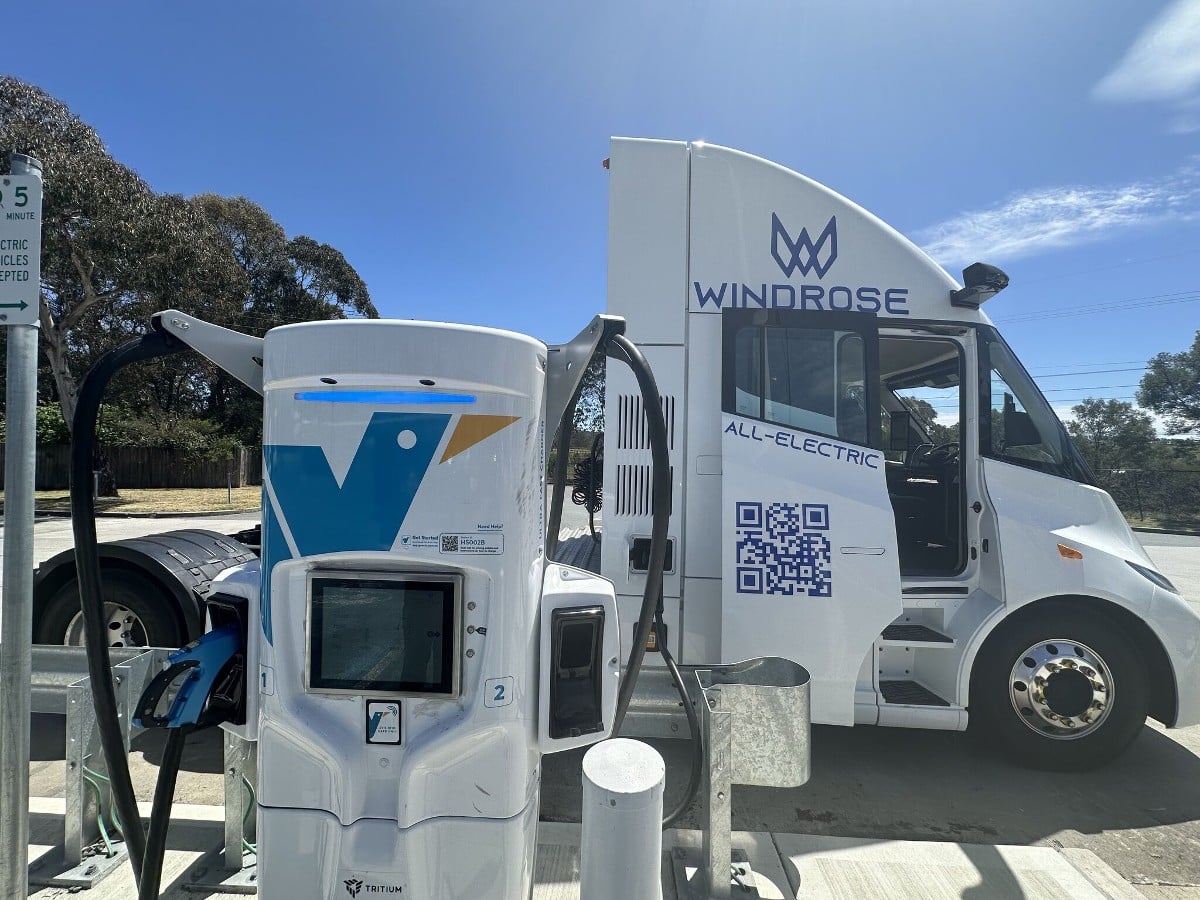
- Infrastructure is uneven - Public charging is rarely designed for commercial vans. Depot charging requires capital, space, and energy planning.
- Upfront cost strains cash flow - Even with incentives, EV acquisition can pressure SME balance sheets.
- Cold climates and battery degradation reduce certainty - Range buffers grow. Scheduling becomes tighter. Planning must be more conservative.
The Hidden Constraint of EVs: Time Compression
Last-mile logistics runs on narrow delivery windows and high asset utilization. But EV adoption introduces new variables:
- Charging windows
- Battery health cycles
- Load-to-range tradeoffs
- Route predictability requirements
These variables make electrification as much a planning and scheduling challenge as a sustainability one.
Here is what is Actually Working
The SMEs succeeding with EVs are not “going electric.” They are going strategically electric.
Route-Vehicle Matching EVs are assigned to dense, repeatable, urban loops. Gas or hybrid vehicles handle long, irregular, or rural routes.
This means that, not where it looks best on marketing slides. And since charging is a core infrastructure Hybrid Fleet Models Electrification begins where it fits operationally for EVs, depot chargers are treated like loading docks — planned, scheduled, and capacity-managed.
Additionally SMEs are tilting towards TCO Thinking, Not Purchase Price Thinking. EV decisions are made on total cost of ownership over 3–5 years, not sticker price alone.
Remember that in logistics, customers still prioritize:
- Reliability
- Speed
- Sustainability
But when sustainability becomes reliable, it turns into a competitive differentiator.
So for SMEs in logistics thinking about EVs introduction into its operations, EV adoption is not a switch. It is a capability build not driven by policy alone nor by branding, but by operational fit.