Getting Goods Across the Border: The Role of PAPS and ACE eManifest in U.S. Truck Shipments
In my current logistics coordination role, I’ve come to realize just how vital proper documentation is when moving commercial goods across the border by truck—especially into the United States. Among the most important processes I’ve worked with are PAPS and the ACE eManifest.
Let me break them down clearly for anyone new to this or seeking real-life clarity on how it all works.
What is PAPS and How Does It Work?
PAPS, or Pre-Arrival Processing System, is the default system used for clearing commercial goods being trucked into the U.S. from Canada or other countries.
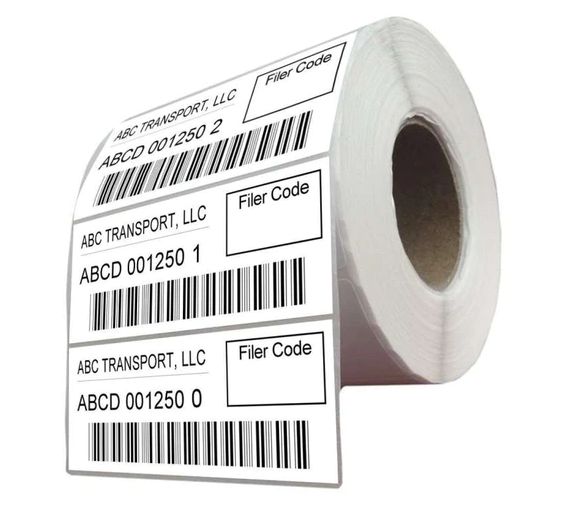
Here’s how it flows:
- Once the carrier picks up the shipment, they assign a unique PAPS number (either using a sticker or a digital entry).
- That number is shared with the customs broker, who uses it to prepare the entry documents.
- At the same time, the carrier prepares an ACE eManifest that references the same PAPS number.
- When both the broker's entry and the carrier's eManifest are submitted and accepted by U.S. Customs and Border Protection (CBP), the shipment can proceed to the border.
The PAPS number is the linking code that helps CBP officers tie the broker’s documentation with the carrier’s manifest at the point of entry.
🧾 What is the ACE eManifest?
The ACE eManifest (Automated Commercial Environment) is the mandatory electronic manifest system used by highway carriers entering the U.S. with commercial goods.
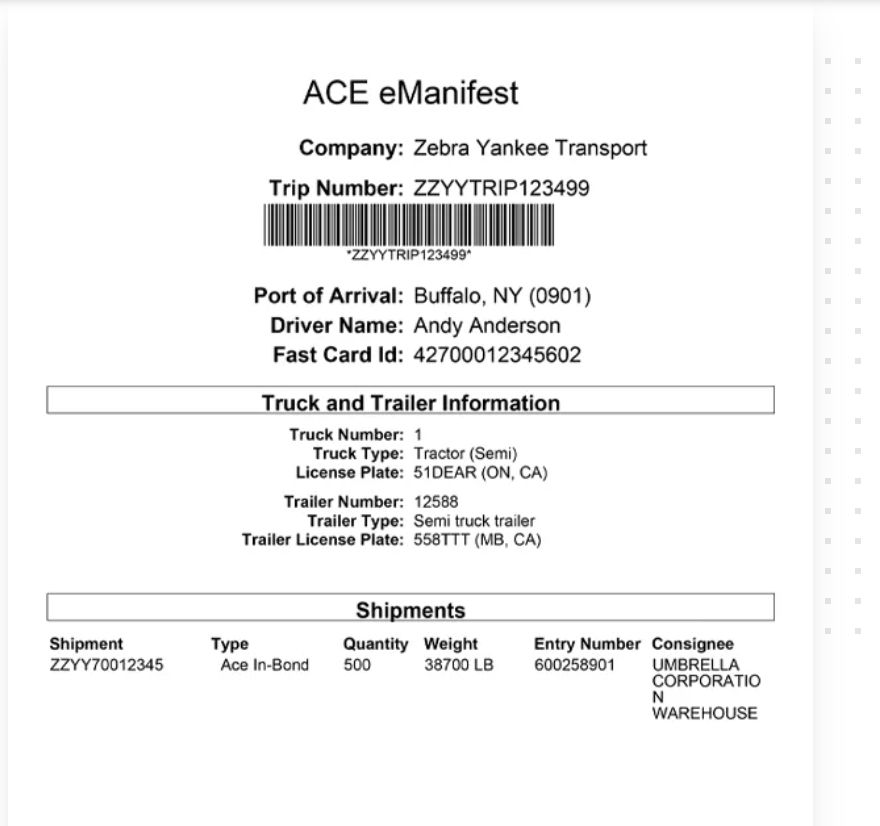
Since 2007, all carriers must file their ACE eManifest at least one hour before arrival at the U.S. border.
The ACE eManifest:
- Includes shipment, vehicle, and carrier details.
- Ensures that all necessary documents and entries are already on file with CBP.
- Helps CBP officers quickly retrieve information and decide whether to release or inspect the shipment.
⏰ Timing matters: If either the ACE eManifest or the customs broker’s entry is missing or late, it can result in border delays, penalties, or outright denied entry.
What Happens at the Border?
When the truck arrives:
- The driver presents customs documents such as the bill of lading, proforma invoice, and ownerships.
- A PAPS barcode or printed ACE lead sheet (with the trip number) helps border agents quickly pull up the digital record.
- The CBP officer reviews the data and decides whether to release the truck or move it to secondary inspection.
Take Note:
While ACE is used for U.S.-bound commercial shipments, its Canadian counterpart is called ACI (Advance Commercial Information), and it applies to Canada-bound shipments.
🚨 Why Does This Matter?
Understanding and properly executing PAPS and ACE eManifest procedures is essential for:
- Avoiding costly delays and penalties
- Ensuring smooth cross-border operations
- Building trust with carriers, brokers, and clients
A single misstep—like a missing PAPS sticker or an unfiled ACE—can stall a perfectly timed logistics chain.
Final Tip for Logistics Coordinators
If you're responsible for cross-border trucking logistics, make it a habit to:
- Confirm all paperwork with brokers in advance
- Double-check ACE eManifest filings
- Keep drivers informed and prepped
It may seem like extra work, but this level of diligence ensures compliance and efficiency—two things your clients will always value.
🎙️ And if you want to hear more real-world logistics insights, subscribe to the Tales of Logistics Podcast