Lien Letters for Vehicle Imports into the U.S. – What You Must Know as a Logistics or Customs Professional
When moving vehicles across borders—especially into the United States—paperwork is king. While many logistics professionals are familiar with titles, ownership documents, and commercial invoices, one document that occasionally slips under the radar is the Lien Letter.
Yes, it’s not always requested.
But when it is, missing or misunderstanding it could delay your shipment at the border. So let’s break it down.
What is a Lien Letter?
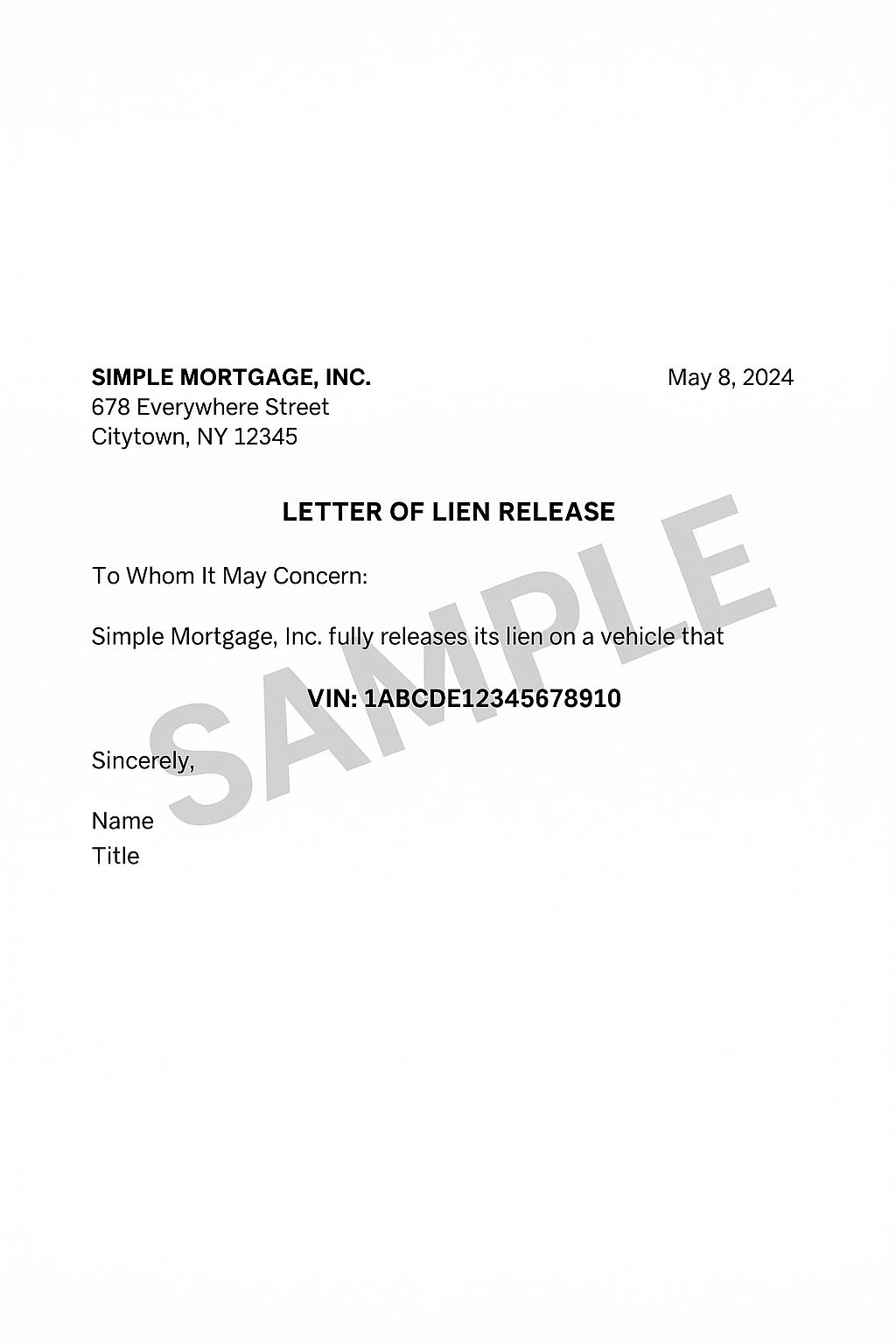
A Lien Letter is an official document from the lienholder (usually a bank, finance company, or leasing firm) confirming that the importer has permission to transport or import the vehicle into the United States. This applies when the vehicle:
- Is still under financing or a lease agreement
- Previously had a loan recorded against it
- Has been repossessed or is being sold under conditional clearance
In simple terms:
🔒 No lien release? No clearance.
Why Does CBP Need It?
U.S. Customs and Border Protection (CBP) enforces federal laws to ensure that no encumbered property (in this case, financed vehicles) enters the country without the legal consent of the lienholder.
They must be sure the vehicle:
- Has no outstanding debt preventing export or resale
- Isn’t being transported without authorization
- Has full, lawful ownership or appropriate lender permission
This protects not just the U.S. market, but also lenders and importers from future liability or seizure.
When and How Should It Be Submitted?
Timing is everything.
CBP requires the lien release (if applicable) to be submitted at least 72 hours before the vehicle arrives at the port of entry.
This gives officers time to verify, flag any issues, and ensure a smooth customs process.
What Should a Proper Lien Letter Include?
A compliant lien letter must be:
- On official company letterhead of the lienholder
- Signed and dated
- Clearly state the vehicle’s VIN
- Indicate permission to export/import the unit into the U.S.
- Include lienholder’s contact details for follow-up if needed
Pro tip: Ensure the document matches the importer’s name and shipment paperwork to avoid red flags.
What Happens Without It?
If you show up at the border with an active lien, no lien release, or questionable documentation, the CBP can deny entry and hold the vehicle until proper authorization is received. Worse still, transporters may face dry run fees, and customers may be hit with penalties or delays.
📦 Real-World Example
Imagine a logistics dispatcher working with a client who just purchased a fleet vehicle under a lease-to-own program. The client says the unit is “good to go.” Transport is booked. But at the border, CBP halts clearance:
The VIN is flagged—still under an active lease.
The transporter sits idle. The dispatcher scrambles. And the client? Frustrated.
All because no one confirmed the lien letter.
Takeaway for Logistics Coordinators, Customs Brokers & Importers:
Add this to your pre-dispatch checklist if you deal with vehicle shipments
It might feel like a small form—but in cross-border logistics, small paperwork mistakes lead to big delays.
🎙️ And if you want to hear more real-world logistics insights, subscribe to the Tales of Logistics Podcast