Supply Chain Resilience After Disruption: Lessons from 2025

If the past few years have taught us anything, it’s this: disruption is the new normal. From geopolitical conflicts to climate events, global supply chains have faced shock after shock. And 2025 hasn’t been an exception — port congestion in Europe, tariff shakeups in North America, and flooding in Asia have reminded us that resilience isn’t a buzzword; it’s survival.
So, what lessons can logistics professionals, businesses, and policymakers take away from 2025 so far? Here are five critical insights:
1️⃣ Diversify Suppliers — But Be Smart About It
The old mantra of “single sourcing for cost savings” is gone. A European apparel brand that relied solely on one Bangladeshi supplier faced months-long delays after floods disrupted factories. Those who had dual sourcing strategies (e.g., one in Asia, one in Eastern Europe) managed to keep shelves stocked. Diversification is no longer optional — it’s risk management.
2️⃣ Balance Lean vs. Buffer Inventory

Lean inventory cuts costs, but during disruptions, it can cripple operations. In 2025, many auto manufacturers that kept “just-in-time” inventory models found themselves halting production when critical microchips were delayed. On the other hand, those maintaining strategic buffer stock of high-value components avoided downtime. The lesson: a hybrid model — lean for fast movers, buffer for critical parts.
3️⃣ Invest in Visibility Tech
End-to-end visibility has moved from “nice to have” to “non-negotiable.” A logistics provider in Germany avoided a €500,000 loss by rerouting shipments in real time after weather alerts flagged floods along the Rhine. Cloud-based visibility platforms, IoT sensors, and predictive AI can make disruptions manageable instead of catastrophic.
4️⃣ Nearshoring & Friend-shoring Are More Than Trends
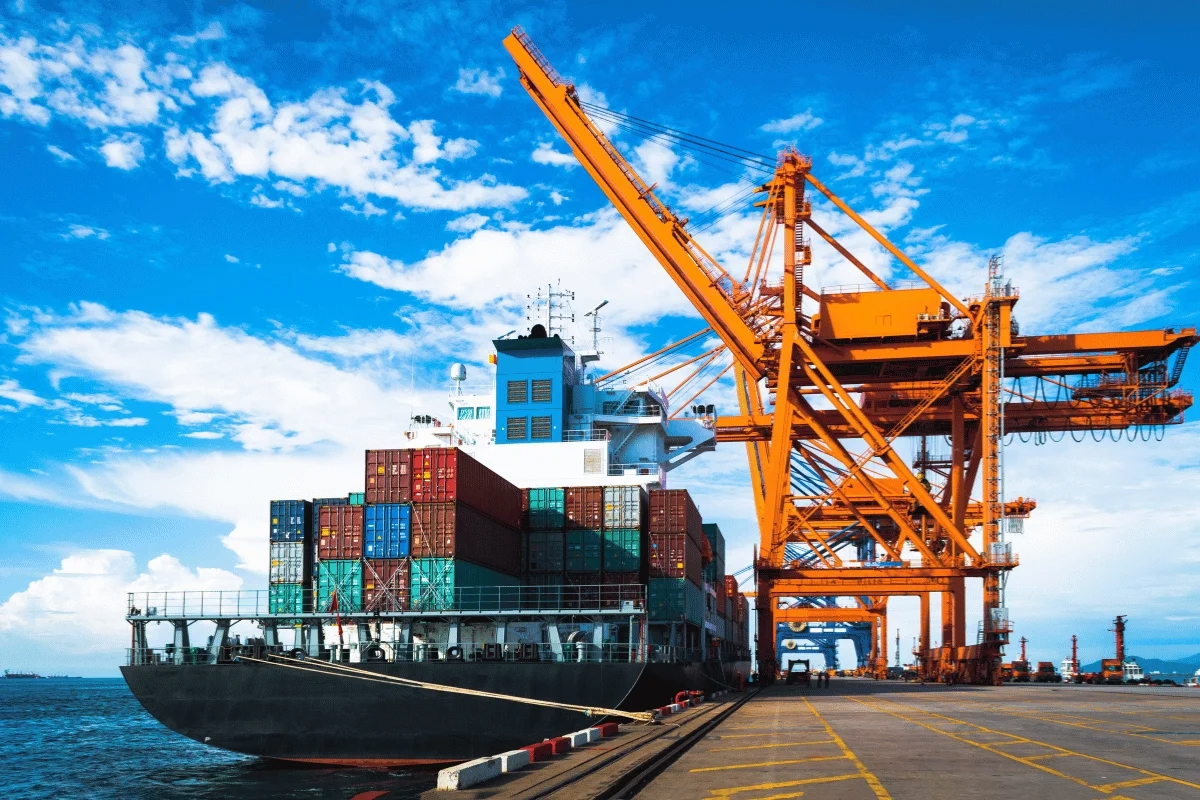
Resilience means shortening supply lines where possible. In 2025, many North American businesses shifted sourcing of components to Mexico and Canada under USMCA, cutting exposure to Asia-Pacific shipping disruptions. Europe is seeing a similar move toward Eastern Europe and Turkey. Nearshoring doesn’t replace global trade, but it builds optionality when far-flung supply lines break.
5️⃣ Communication Is king
Even the best tech and strategies fail if communication is weak. A Canadian logistics coordinator shared that when his team proactively updated customers about a 5-day customs delay, they avoided escalations and kept trust intact. Silence during disruptions often costs more than the delay itself.
Final Takeaway
Resilience isn’t about avoiding disruption — it’s about preparing for it, adapting quickly, and coming out stronger. 2025 has shown us that the winners aren’t the companies with the cheapest supply chains, but the ones with the most adaptable ones.
At Tales of Logistics, we explore stories like these every week — from trade compliance strategies to warehouse innovations — helping professionals navigate the evolving logistics landscape with insight and confidence.