Tariffs and Small Businesses in North America: A Silent Cost Squeeze?
By Tales of Logistics | https://talesoflogistics.com
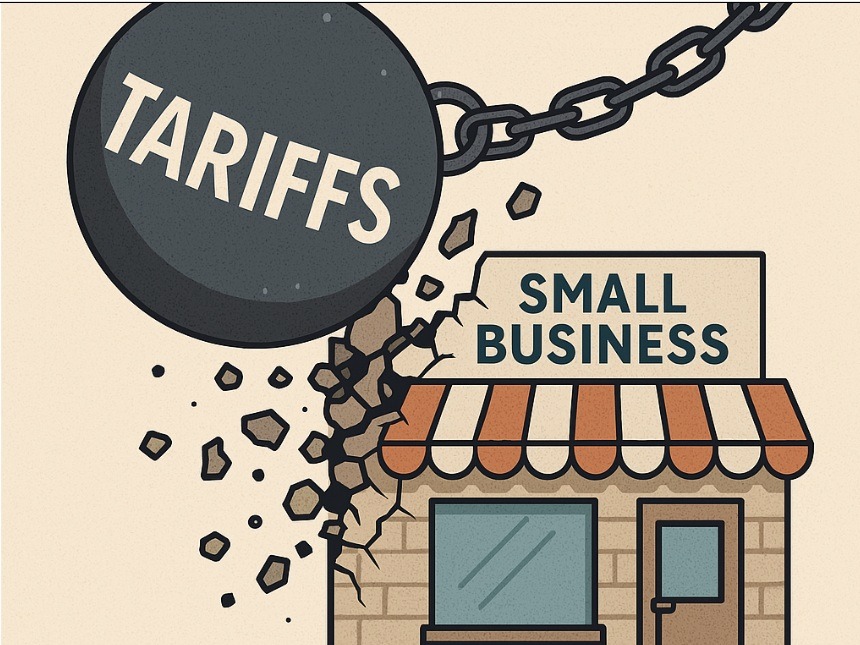
In today’s global economy, tariffs are no longer just a macroeconomic tool — they’re a line item in the daily struggle of small businesses across North America.
From local builders in Alberta to auto-part retailers in Michigan, many small business owners are discovering the real-world impact of shifting trade policies. Unlike large corporations with robust sourcing networks and legal teams, small businesses often absorb the brunt of tariff fluctuations — in silence.
So what exactly is going on? And what should small businesses be watching?
What Are Tariffs and Why Should You Care?
A tariff is a tax placed on imported goods. While the goal may be to protect domestic industries or respond to trade imbalances, the effect at the ground level can be jarring — especially for small importers and resellers.
When tariffs go up, small businesses:
- Pay more to bring in products or raw materials
- Face tighter margins
- May be forced to raise prices or lose customers
Recent Developments in Tariff Policy (as of 2025)
U.S. Tariffs on Chinese Goods
In response to concerns over unfair subsidies and overproduction, the U.S. has reinstated and expanded tariffs on Chinese-made batteries, solar panels, electric vehicles, and other goods.
🔸 Impact: Higher costs for resellers and small tech/hardware importers.
Canada's Carbon Border Tax (CBAM)
Canada plans to implement a Carbon Border Adjustment Mechanism, taxing imports like aluminum and steel from countries with weaker climate policies.
🔸 Impact: Small manufacturers who rely on foreign raw materials may pay more.
Tightened USMCA Enforcement
Cross-border trade between the U.S., Canada, and Mexico is under tighter review — especially for rules of origin and labor compliance.
🔸 Impact: Small businesses must ensure paperwork and sourcing meet stricter criteria to avoid fines or disqualification from tariff-free trade.
Real Story: A Hardware Shop’s Tariff Challenge
Take Lisa, who runs a small hardware import business in Calgary. Her go-to supplier in Asia recently had their shipments hit with a new 12% steel tariff.
Here’s how she adapted:
- Switched to a USMCA-compliant supplier in Mexico
- Worked with a customs broker to reclassify her product under a different HS code
- Enrolled in Canada’s Duty Deferral Program
With some effort and new partnerships, Lisa avoided passing the cost to her customers.
What Can You Do?
- Know Your HS Code
Accurate product classification affects your tariff rate. Don’t guess — check it. - Verify FTA Eligibility
Make sure you qualify for USMCA, CPTPP, or CETA benefits — and keep the required origin documentation. - Work with a Broker
A licensed customs broker helps spot classification errors, duty refund opportunities, and possible exemptions. - Review Your Supply Chain
Can you switch to North American vendors? Or co-load containers for better rates? - Stay Informed
Tariff rates and trade policies are dynamic. Subscribe to trade alerts or follow logistics professionals on platforms like LinkedIn (👋 like Tales of Logistics).
More Than Just Policy — It’s Real Business Impact
Trade policies may seem distant and political. But to a small business, a tariff can mean:
- A product that’s now 15% more expensive
- A supply delay due to customs
- A lost customer due to price hikes
This is the side of logistics we talk about on the Tales of Logistics Podcast — the everyday realities of moving goods in a world of rules, delays, and shifting regulations.
Discover More at Tales of Logistics
From customs compliance to border strategy, our platform connects:
- Podcasts
- Articles
- Industry tools
- And soon... an app built for trade professionals like you!
Because in logistics, what you don’t know can cost you.