The Procurement Paradox
October 3, 2026·5 min read
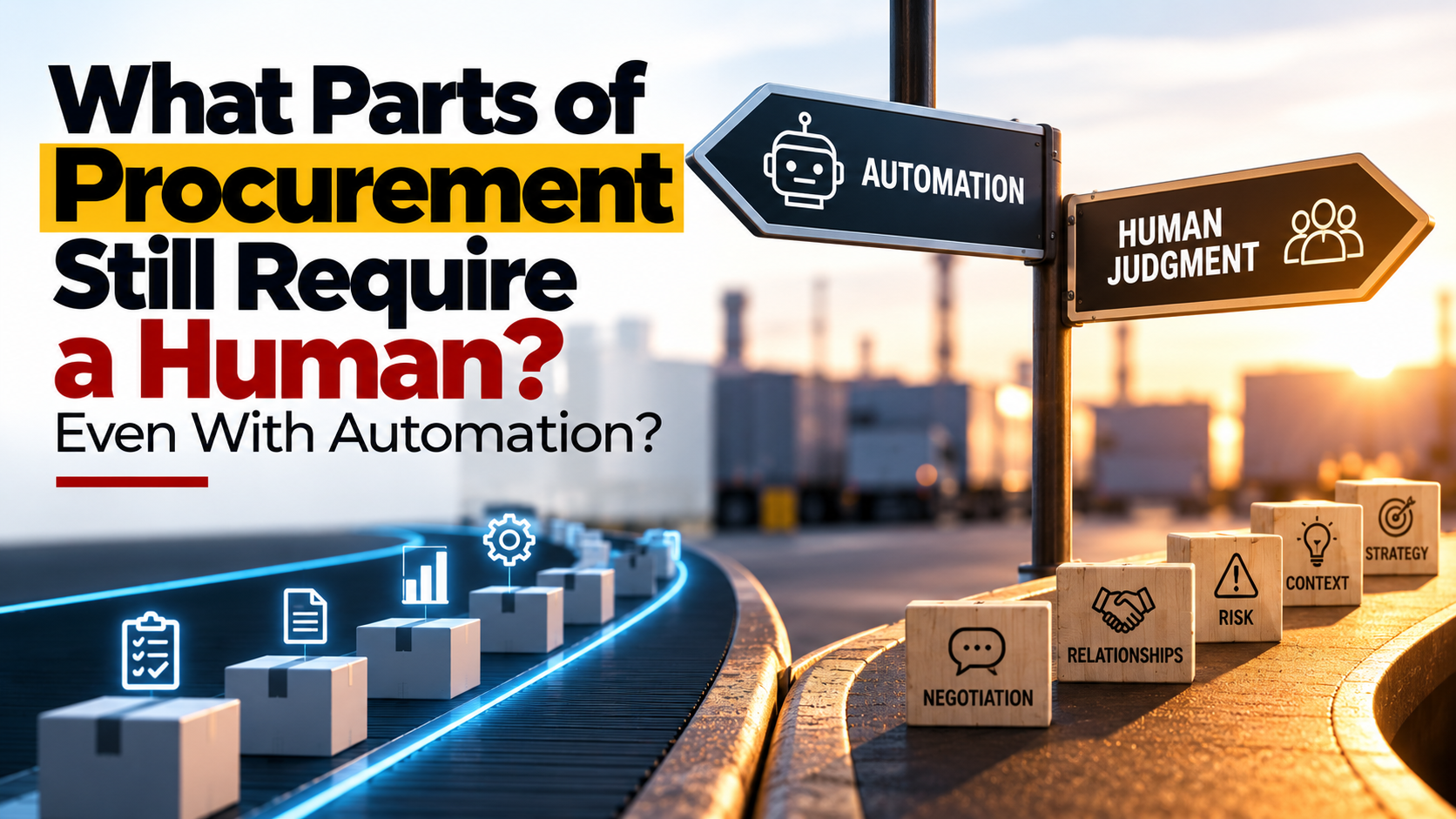
There is a strange contradiction happening in procurement today: we have more automation than ever, yet the human element has never been more critical.
Think about your daily workflow. Purchase orders can be generated automatically. Invoices can be matched. Contracts can be searched by AI. Supplier data can be analyzed, spend can be categorized, and risk signals can be flagged.
So, a reasonable question follows: If technology can handle so much of procurement, what exactly are procurement professionals still needed for?
The answer isn't simply “because AI isn't good enough yet.” It's much more interesting than that. Procurement is full of decisions where the numbers are important—but they aren't the whole story. An algorithm can compare the data, but a procurement professional has to understand what those numbers actually mean to the business.
Here are four reasons why human buyers remain irreplaceable.
1. When the Cheapest Supplier Isn't the Best Supplier
Imagine two suppliers on a spreadsheet:◆Supplier A: $100 per unit◆Supplier B: $105 per unitOn paper, Supplier A wins. But a spreadsheet doesn't show the full picture.
What if Supplier A has inconsistent lead times, requires larger minimum orders, and rarely communicates problems until they are urgent? Meanwhile, Supplier B has been reliable for five years, accommodates emergency orders, and proactively calls you before an issue reaches your production team.
Suddenly, that $5 difference doesn't look quite so simple. Procurement isn't simply buying at the lowest price; it’s the delicate act of balancing cost, quality, service, risk, resilience, and business requirements.
2. Negotiation is More Than Generating a Counteroffer
AI is an incredible tool for negotiation prep. It can analyze historical prices, identify unusual contract clauses, compare supplier proposals, and suggest negotiation points. All of that is incredibly useful.
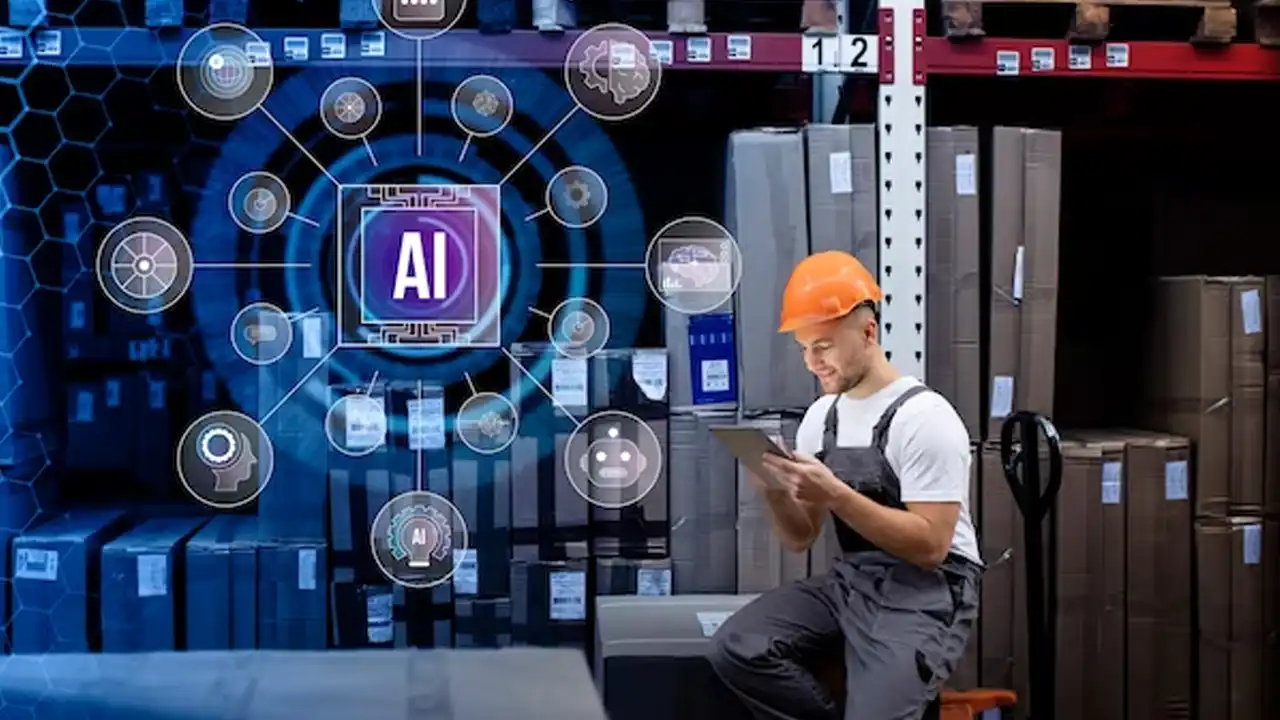
But procurement negotiations aren't conducted between spreadsheets—they're conducted between people.
When a supplier says, “We can't reduce the price,” what does that actually mean?Is their margin genuinely under pressure?Are they protecting a price because they know you're dependent on them?Is there another concession available, like altering payment terms, volume commitments, lead times, or packaging?The conversation around the number can be just as important as the number itself. Recent research on AI-augmented procurement confirms that interpersonal trust, strategic communication, and relationship management are vital parts of negotiation that must remain under human authority.
3. Knowing When a Supplier Problem is Actually a Problem
When a supplier delivers three days late, automation will instantly flag a generic alert: 𝐃𝐄𝐋𝐈𝐕𝐄𝐑𝐘 𝐃𝐄𝐋𝐀𝐘.
But should you escalate? A machine can't tell you.Scenario A: This is the first delay in two years. The supplier called you three days ago, explained a temporary capacity constraint, and already offered a solution.Scenario B: This same three-day delay has happened four times this quarter.It is the exact same automated data point, but with two completely different meanings. One is an isolated incident; the other is a critical performance trend. As procurement practitioners often note, a system can flag lateness, but deciding whether it represents a pattern worth escalating requires context that simply doesn't exist in the system. The machine sees the event, but the buyer interprets the pattern.
4. Actively Navigating the Data "Grey Area"
This might be the biggest reason humans remain indispensable: procurement professionals possess critical information that hasn't become "structured data" yet.
An ERP or procurement system might show that Supplier A is approved and that forecast demand is exactly 10,000 units.
However, a human buyer has the informal context that a computer lacks:A conversation with leadership reveals the company is planning to move away from Supplier A next year.A passing chat with a sales rep reveals a massive, unbooked customer order is coming down the pipeline that hasn't hit the ERP yet.A relationship check-in with a supplier reveals their production line is going down for maintenance next month.Business context includes real-time conversations, shifting supplier strategies, and internal plans. Until someone manually inputs that information into a system, automation is flying blind.
5. Procurement Sometimes Has to Say “No”
This is an underrated, highly human part of the job. Someone in the business wants to buy something. The supplier looks good, the price looks reasonable, and the request appears legitimate.
But procurement asks the hard questions: Do we actually need this? Is this the right supplier? Does this contract expose us to unnecessary risk? Why are we buying this at all?
Automation can help identify purchasing patterns, but challenging internal stakeholders requires communication, diplomacy, and persistence. It demands a willingness to have uncomfortable conversations—sometimes with colleagues far more senior than you.
6. Supplier Relationships Don't Live Inside the System
A supplier relationship can take years to build, and those relationships matter most when things go wrong.
Imagine a major supply disruption where two customers are competing for the same limited production capacity. One customer has always treated the supplier as a transactional vendor. The other has worked with them for years, shared forecasts, communicated openly, and built mutual trust.
When capacity becomes scarce, that relationship suddenly becomes commercially significant. Technology can record interactions, but it cannot automatically create trust.
7. Accountability Still Has to Belong to Someone
If an automated system approves the wrong supplier, if an AI recommendation causes a major supply disruption, or if a purchasing decision violates company policy, someone still has to answer: “Why did we make this decision?”
Procurement professionals are the people who ultimately carry accountability for critical purchasing decisions. That doesn't mean humans should manually approve everything. Quite the opposite. It means companies need to decide where human judgment matters most. Research from the SAP News Center aligns with this, noting that while AI can accelerate workflows, higher-value decisions continue to depend on human judgment, supplier relationships, and complex trade-offs.
The Bottom Line
Procurement is not a automated transaction; it is a critical decision-making function sitting between the business and its suppliers.
Decisions become difficult when information is incomplete, markets shift, internal priorities conflict, and contracts don't cover the situation. Those are precisely the moments when a procurement professional earns their place. Technology will free humans from administrative busywork, but it is human judgment that will drive the business forward.
Enjoyed this nugget?
Explore more freight-tested insights and logistics stories.